Author: Richard Johnson

  • Home Maintenance Essentials: Plumbing and Electrical Tips

    Home Maintenance Essentials: Plumbing and Electrical Tips

    Home maintenance is a crucial aspect of homeownership, ensuring the safety, comfort, and functionality of your living space. Among the essential elements of home maintenance are plumbing and electrical systems. Proper care and maintenance of these systems are paramount to prevent potential disasters, conserve energy, and save on repair costs. For top-notch electrical services in Newport, look no further than rm plumbing and electrical where expertise meets exceptional service. In this article, we’ll delve into plumbing and electrical maintenance tips to help you keep your home in optimal condition.

    Plumbing Maintenance Tips

    1. Regular Inspections

    Regularly inspect your plumbing system for any leaks, drips, or visible damage. Check faucets, toilets, and under sinks for signs of water accumulation or moisture. Early detection of problems can prevent extensive water damage and costly repairs.

    2. Fix Leaks Promptly

    If you discover any leaks, fix them promptly. A leaking faucet or pipe can waste a significant amount of water over time and lead to increased water bills. Simple leaks can often be fixed with basic DIY skills, but for more complex issues, it’s best to consult a professional plumber.

    3. Clear Clogs Responsibly

    Avoid using harsh chemicals to clear clogs as they can damage your pipes and harm the environment. Instead, use a plunger, plumbing snake, or a mixture of baking soda and vinegar. Regularly clean drain stoppers and traps to prevent buildup.

    4. Regular Water Heater Maintenance

    Flush your water heater annually to remove sediment and minerals that can reduce its efficiency and lifespan. Inspect for any signs of corrosion or leaks. Consider insulating your water heater to improve its energy efficiency.

    5. Check Water Pressure

    Excessively high water pressure can strain your plumbing system. Use a pressure gauge to ensure it’s within the recommended range (usually between 40-60 psi). Install a pressure regulator if needed to maintain safe pressure levels.

    6. Winterize Your Plumbing

    In colder climates, winterizing your plumbing is essential to prevent frozen pipes. Insulate exposed pipes, disconnect garden hoses, and shut off outdoor water sources. If you plan to be away during winter, consider leaving your faucets dripping to prevent freezing.

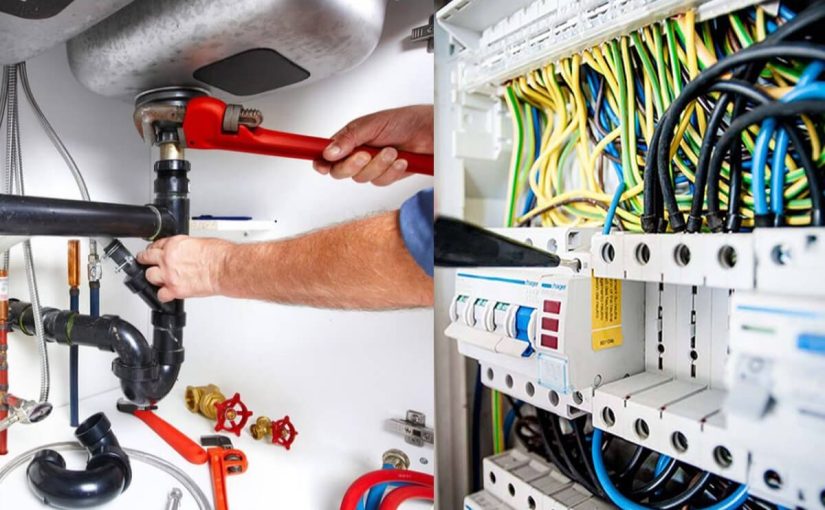
    Mechanical Electrical Plumbing Service

    Electrical Maintenance Tips

    1. Safety First

    Before conducting any electrical maintenance, ensure your safety. Turn off the power at the circuit breaker and use proper safety gear. If you’re unsure, consult a professional electrician.

    2. Regular Electrical Checks

    Inspect your electrical outlets, switches, and cords for any signs of wear, damage, or discoloration. Replace any frayed cords or damaged outlets promptly. Loose outlets or switches should be tightened to ensure a secure connection.

    3. Update Outdated Wiring

    If your home has outdated wiring, consider upgrading to modern, safer wiring systems. Older wiring can be a fire hazard and may not support the power needs of modern appliances and electronics.

    4. Energy-Efficient Lighting

    Consider replacing traditional incandescent light bulbs with energy-efficient LED bulbs. LEDs use less energy, last longer, and can significantly reduce your electricity bills over time.

    5. Electrical Panel Maintenance

    Regularly inspect your electrical panel for any signs of overheating, buzzing sounds, or a burning smell. If you notice any issues, contact a licensed electrician to investigate and make necessary repairs.

    6. Schedule Professional Inspections

    Consider scheduling annual or biennial electrical inspections by a licensed electrician. They can identify potential problems, ensure compliance with electrical codes, and suggest improvements for safety and efficiency.

    Conclusion

    Regular home maintenance is essential for a safe and comfortable living environment. Plumbing and electrical systems are fundamental aspects of any home and require careful attention to ensure they function optimally. By following these maintenance tips, conducting regular inspections, and seeking professional help when needed, you can prolong the life of your plumbing and electrical systems, saving both time and money in the long run.

  • Paving Your Garden Path to Paradise: Inspirational Ideas

    Paving Your Garden Path to Paradise: Inspirational Ideas

    A well-designed garden path can be the secret to unlocking the hidden beauty of your outdoor space. It’s not just a way to navigate your garden; it’s an opportunity to create a delightful journey through nature. Explore inspirational ideas for paving your garden path to paradise, and when you’re ready to make it a reality, find a trusted paving contractor near me to bring your vision to life. In this article, we’ll explore inspirational ideas for paving your garden path to paradise, where every step is a discovery of natural wonder and serenity.

    1. Natural Stone Elegance

    Natural stone, such as flagstone or slate, can transform your garden path into an elegant and timeless walkway. Irregularly shaped stones with varying colors and textures create a rustic and organic feel. Set them in a bed of moss or creeping thyme for a lush, whimsical touch.

    2. Stepping Stones in Water

    For a touch of Zen tranquility, consider placing stepping stones amidst a shallow water feature. These stones create a calming path, where the gentle sound of water accompanies your journey. It’s perfect for creating a serene oasis in your garden.

    3. Colorful Mosaic Tiles

    Add a burst of color and creativity to your garden path with mosaic tiles. These tiles come in various shapes and sizes, allowing you to craft intricate designs or abstract patterns. Mosaic paths are a work of art that can truly enhance your garden’s aesthetics.

    Pin on Outdoor

    4. Pavers with a Purpose

    Incorporate purposeful pavers by using materials like recycled bricks or reclaimed wood. These sustainable options not only create a charming path but also contribute to environmental consciousness and give your garden a rustic, eco-friendly appeal.

    5. Garden of Fragrance

    Design your path to be a sensory experience. Plant fragrant flowers and herbs along the sides, like lavender, roses, or mint. As you stroll along the path, the scents will surround you, making each step a delight for your senses.

    6. Japanese-inspired Zen Path

    Create a serene Japanese-inspired garden path with gravel or fine sand. Rake patterns into the gravel to represent waves or flowing water. Add minimalistic stone lanterns or bamboo accents for a Zen atmosphere that invites contemplation.

    7. Moss-Covered Magic

    Let nature take its course by allowing moss to grow between paving stones. Moss creates a soft, lush carpet that adds a touch of enchantment to your garden path. It thrives in shade and moisture, making it ideal for woodland gardens.

    8. Garden Art Gallery

    Transform your garden path into an art gallery by placing sculptures, statues, or artistic installations along the way. Each piece becomes a point of interest, making the journey through your garden a captivating experience.

    Navarro Paving
    9928 60th St, Jurupa Valley, CA, 92509
    562-262-1446

    9. Enchanted Archways

    Frame your path with arching plants like wisteria, climbing roses, or jasmine. As these plants grow and intertwine, they create enchanting tunnels and archways, adding a fairytale quality to your garden.

    10. Nighttime Illumination

    Make your garden path equally captivating after dark with subtle lighting. Solar-powered lanterns, path lights, or embedded LED strips can guide your way while creating a magical atmosphere that’s perfect for evening strolls.

    11. Curved Pathways

    Introduce gentle curves into your garden path to create a sense of discovery. A winding path encourages exploration and reveals new garden views at every turn.

    12. Seating Nooks

    Include small seating areas along your garden path to provide spots for relaxation and reflection. Weather-resistant benches, stone seating, or even tree stumps can offer moments of reprieve and contemplation.

    Conclusion

    Your garden path is a canvas waiting to be painted with creativity and inspiration. Whether you envision a tranquil Zen retreat, a colorful mosaic wonderland, or a fragrant flower journey, the choices are as diverse as the beauty of nature itself. Paving your garden path to paradise is an opportunity to bring your dream garden to life, one step at a time.

  • Property Management Tools and Software for Efficiency

    Property Management Tools and Software for Efficiency

    In the fast-paced world of property management, efficiency is key to success. Property managers are tasked with a multitude of responsibilities, from tenant management to property maintenance. To streamline these operations and stay ahead of the competition, it’s essential to leverage the power of technology and utilize the right property management tools and software. When it comes to property management Fredericksburg trust the experienced team at Wilkinson Property Management of Fredericksburg for efficient and effective services. In this comprehensive guide, we’ll explore the cutting-edge solutions that can propel your property management business to new heights.

    The Importance of Efficient Property Management

    Before diving into the world of property management tools and software, let’s first understand why efficiency is crucial in this field. Effective property management involves juggling numerous tasks, such as rent collection, property maintenance, tenant communication, and financial reporting. Without the right tools, these tasks can become overwhelming, leading to errors, delays, and tenant dissatisfaction.

    Efficiency in property management offers several key benefits:

    1. Enhanced Tenant Satisfaction

    Happy tenants are more likely to renew their leases and recommend your properties to others. Efficient property management ensures that tenant requests are promptly addressed, and issues are resolved swiftly, resulting in higher tenant satisfaction.

    2. Cost Savings

    Efficient operations mean fewer resources wasted on manual tasks and administrative overhead. By automating processes, property managers can significantly reduce operational costs.

    3. Time Management

    Property managers often find themselves bogged down by administrative tasks. Efficient software solutions free up valuable time, allowing property managers to focus on strategic decision-making and property improvement.

    4. Accurate Financial Management

    Property management software provides robust financial reporting tools, ensuring that property owners receive accurate and transparent financial statements, ultimately building trust.

    7 Tips for Choosing Local Property Management Services

    Must-Have Property Management Tools and Software

    Now that we understand the importance of efficiency in property management, let’s explore the must-have tools and software solutions that can revolutionize your business:

    1. Property Management Software

    Investing in a comprehensive property management software is the cornerstone of efficient property management. These software solutions offer features such as rent collection, lease management, and maintenance tracking, all in one centralized platform.

    2. Online Tenant Portals

    Tenant portals allow tenants to pay rent online, submit maintenance requests, and communicate with property managers effortlessly. This not only saves time but also improves tenant satisfaction.

    3. Maintenance Management Tools

    Efficient property maintenance is crucial for tenant retention. Maintenance management tools help property managers schedule and track maintenance tasks, ensuring that properties are well-maintained.

    4. Financial Management Software

    To maintain transparent financial records, financial management software is indispensable. It tracks income, expenses, and provides detailed financial reports that can be shared with property owners.

    5. Marketing and Advertising Platforms

    Effective marketing is essential to attract tenants. Property management software often includes marketing tools that enable you to list vacancies on multiple platforms and track leads.

    6. Document Management Systems

    Managing lease agreements, inspection reports, and other documents can be cumbersome. Document management systems streamline the storage and retrieval of essential documents.

    Wilkinson Property Management of Fredericksburg
    11703 Spyglass Rd, Fredericksburg, Virginia, 22407
    (540) 418-1261

    Choosing the Right Property Management Software

    With numerous property management tools and software options available, selecting the right one for your business is critical. Consider the following factors when making your decision:

    1. Scalability

    Choose software that can grow with your business. Scalability ensures that your property management software remains effective as your property portfolio expands.

    2. User-Friendliness

    User-friendly software minimizes the learning curve for your team. Look for intuitive interfaces and excellent customer support.

    3. Integration

    Ensure that your chosen software can seamlessly integrate with other tools you may already be using, such as accounting software or CRM systems.

    4. Customization

    Every property management business is unique. Seek software that allows for customization to meet your specific needs.

    Conclusion

    Efficiency is the backbone of successful property management. By embracing property management tools and software, you can streamline operations, enhance tenant satisfaction, and drive business growth. Whether you manage a single property or a large portfolio, the right technology can make all the difference. Explore the options available, and take your property management business to the next level with the power of automation and innovation.

  • Seamless Installation: Ensuring a Perfect Fit for Your New Windows

    Seamless Installation: Ensuring a Perfect Fit for Your New Windows

    In the ever-evolving world of home improvement, few things can transform the look and functionality of your living space quite like new windows. The process of upgrading your windows might seem daunting at first, but fear not; we’re here to guide you through the intricacies of seamless window installation, ensuring a perfect fit for your home. First Light Windows & Doors in Beverly, MA, is your trusted partner for top-notch window replacement and door replacement services, ensuring your home is comfortable and energy-efficient. In this comprehensive guide, we will cover every detail you need to know to make your window replacement project a resounding success.

    The Importance of Quality Windows

    Before delving into the installation process, let’s emphasize the significance of quality windows. Your windows are not just openings that allow light and air into your home; they play a crucial role in energy efficiency, aesthetics, and overall comfort. Investing in high-quality windows can lead to several benefits, including reduced energy bills, enhanced curb appeal, and a more comfortable living environment.

    New Windows: Grand Island, NE | J-Tech Construction & Solar

    Choosing the Right Windows

    The journey towards seamless window installation begins with selecting the right windows for your home. Consider factors such as:

    1. Window Type

    Different window types serve various purposes. Casement windows offer excellent ventilation, while double-hung windows are classic and versatile. Awning windows are ideal for keeping out rain, and sliding windows are perfect for contemporary aesthetics. Choose the type that best suits your needs and preferences.

    2. Energy Efficiency

    Look for windows with high energy efficiency ratings, such as those with ENERGY STAR certification. Energy-efficient windows can help you save money on heating and cooling costs in the long run.

    3. Frame Material

    Window frames come in various materials, including vinyl, wood, aluminum, and fiberglass. Each material has its advantages and disadvantages, so make an informed choice based on your budget and desired aesthetics.

    Measuring for Success

    Once you’ve chosen the perfect windows, it’s time to measure for a precise fit. Accuracy at this stage is crucial to ensure a seamless installation process. Here’s a step-by-step guide:

    1. Measure the Width and Height

    Using a measuring tape, record the width and height of the window opening. Measure in multiple places to account for any variations.

    2. Measure the Depth

    Determine the depth of the window frame to ensure the new window will fit snugly within the opening.

    3. Check for Squareness

    Measure the diagonals of the window opening to confirm that it is square. If not, adjustments may be needed during installation.

    First Light Windows & Doors
    (978) 605-8859

    Preparing for Installation

    With accurate measurements in hand, you’re ready to prepare for the installation process. Proper preparation is the key to a successful window replacement project.

    Gathering Materials and Tools

    Make sure you have all the necessary materials and tools before starting the installation. Here’s a checklist to help you get organized:

    Materials:

    New windows

    Shims

    Exterior sealant

    Insulation

    Trim and casing

    Tools:

    Screwdriver

    Level

    Caulking gun

    Pry bar

    Safety glasses

    Gloves

    Removing the Old Windows

    Before you can install your new windows, you’ll need to remove the old ones. Here’s a step-by-step guide to help you through this process:

    1. Remove Window Coverings

    Take down curtains, blinds, or any other window coverings that might obstruct the removal process.

    2. Carefully Remove Trim and Casing

    Using a pry bar, carefully remove any trim or casing around the old window. Be gentle to avoid damaging the surrounding wall.

    3. Take Out the Old Sash

    Open the window and remove the sash (the movable part of the window). If your windows have weights or counterbalances, detach them as well.

    4. Remove the Old Frame

    With the sash out of the way, carefully remove the old window frame. Use a screwdriver to remove any screws or fasteners holding it in place.

    5. Clean and Prepare the Opening

    Clean the opening thoroughly and make any necessary repairs to the surrounding wall or frame.

    The Installation Process

    Now that you have a clean, well-prepared opening, it’s time to install your new windows. Follow these steps for a seamless installation:

    1. Apply Exterior Sealant

    Before placing the new window, apply a generous bead of exterior sealant around the perimeter of the opening. This will create a watertight seal.

    2. Insert the New Window

    Carefully place the new window into the opening, making sure it fits snugly. Use shims to level the window and ensure it’s square within the frame.

    3. Secure the Window

    Once the window is properly positioned, secure it by driving screws through the frame into the surrounding wall.

    4. Insulate and Trim

    Fill any gaps around the window with insulation to improve energy efficiency. Then, install trim and casing to give your window a polished look.

    5. Check for Proper Operation

    Test the window to ensure it opens and closes smoothly. Make any necessary adjustments to hardware or alignment.

    The Final Touches

    With your new windows securely in place, it’s time for the final touches that will not only enhance the aesthetics but also the functionality of your windows.

    1. Apply Interior Sealant

    To prevent drafts and moisture infiltration, apply interior sealant around the window frame. This will create a tight seal and provide a finished appearance.

    2. Install Window Coverings

    Hang your curtains, blinds, or shades to complete the look of your newly installed windows. This step adds both style and privacy to your space.

    3. Enjoy the Benefits

    Sit back, relax, and bask in the benefits of your new windows. You’ll notice improved energy efficiency, enhanced comfort, and a fresh, updated appearance for your home.

    Conclusion

    In the realm of home improvement, few projects can rival the impact of installing new windows. When done seamlessly, this upgrade not only elevates the aesthetics of your home but also enhances its functionality and energy efficiency. By following the steps outlined in this comprehensive guide, you can ensure a perfect fit for your new windows. Remember, investing in quality windows and meticulous installation is an investment in the comfort and value of your home.

  • Property Buyers Agents: Your Key to Stress-Free Real Estate Transactions

    Property Buyers Agents: Your Key to Stress-Free Real Estate Transactions

    In today’s fast-paced real estate market, navigating the intricacies of property buying can be a daunting task. From scouting for the perfect property to negotiating deals and handling the mountain of paperwork, the journey can quickly become overwhelming. That’s where Property Buyers Agents come into play – your ultimate solution to ensuring a smooth and stress-free real estate transaction. Property Buyers Agents are your trusted in the turbulent seas of real estate, guiding you to safe harbors of successful property transactions

    How a Buyer's Agent Can Help Your Home Search - NerdWallet

    What Are Property Buyers Agents?

    Property Buyers Agents, also known as buyer’s advocates or buyer’s agents, are licensed professionals who specialize in representing the interests of property buyers. Their primary mission is to simplify the property buying process for their clients by offering expert guidance and personalized assistance from start to finish.

    The Benefits of Hiring a Property Buyers Agent

    1. Expertise in the Local Real Estate Market

    Property Buyers Agents possess an in-depth understanding of the local real estate market. They have their fingers on the pulse of the latest trends, property values, and emerging neighborhoods. This knowledge ensures that you are well-informed when making crucial decisions about your property purchase.

    2. Time-Saving

    Searching for the perfect property can be a time-consuming endeavor. Property Buyers Agents, with their extensive networks and resources, can streamline the process for you. They can provide you with a shortlist of properties that align with your preferences, saving you precious time and effort.

    3. Negotiation Skills

    Negotiating a real estate deal requires finesse and experience. Property Buyers Agents are seasoned negotiators who can secure the best possible price and terms on your behalf. Their negotiation skills can potentially save you thousands of dollars.

    4. Access to Off-Market Listings

    Some of the best real estate opportunities are not publicly advertised. Property Buyers Agents have access to off-market listings, giving you a competitive edge in finding unique properties that match your criteria.

    5. Minimized Stress

    Property transactions often involve complex paperwork and legalities. Your Property Buyers Agent will handle the paperwork, ensuring that everything is in order and compliant with local regulations. This leaves you free from the stress of managing administrative tasks.

    How Property Buyers Agents Work

    1. Consultation: Your journey with a Property Buyers Agent begins with an initial consultation. During this meeting, you’ll discuss your property requirements, budget, and expectations.
    2. Property Search: Once your preferences are clear, the agent will embark on a comprehensive property search, considering both listed and off-market properties.
    3. Property Evaluation: Property Buyers Agents will evaluate potential properties against your criteria, narrowing down the options to those that best suit your needs.
    4. Negotiation: When you’ve identified the property you desire, your agent will negotiate with the seller or their agent to secure favorable terms.
    5. Due Diligence: Your agent will conduct due diligence, ensuring that the property is free from any legal encumbrances and that all necessary inspections are carried out.
    6. Closing the Deal: Finally, your Property Buyers Agent will oversee the closing process, ensuring all paperwork is correctly executed, and you take ownership of your new property seamlessly.

    Conclusion

    In the complex world of real estate, Property Buyers Agents are your key to a stress-free transaction. Their expertise, local knowledge, and commitment to your interests make them invaluable partners in your property-buying journey. Whether you’re a first-time buyer or a seasoned investor, enlisting the services of a Property Buyers Agent can make all the difference in securing the property of your dreams. So, take the first step towards a hassle-free real estate experience – consider hiring a Property Buyers Agent today.

  • The Role of Machine Learning in Enhancing Fraud Detection

    The Role of Machine Learning in Enhancing Fraud Detection

    The Role of Machine Learning in Enhancing Fraud Detection

    Machine learning plays a pivotal role in enhancing fraud detection by providing the capability to analyze vast amounts of data, identify patterns, and detect anomalies associated with fraudulent activities. Here are key ways in which machine learning contributes to improving fraud detection:

    1. Data Analysis and Pattern Recognition:
    • Anomaly Detection: Machine learning models, such as isolation forests, one-class SVMs, and autoencoders, can identify anomalies in data by learning what constitutes normal behavior and flagging deviations from it. This is particularly useful for detecting previously unknown fraud patterns using device fingerprint javascript.
    • Pattern Recognition: Supervised machine learning models can learn from historical data to recognize patterns associated with fraudulent transactions or activities. As new data arrives, the models can continuously adapt to evolving fraud tactics.

    1. Real-Time Monitoring:
    • Continuous Assessment: Machine learning models can assess the risk associated with each transaction or user activity in real-time. This enables immediate response to suspicious behavior as it occurs.
    • Scoring Systems: Machine learning can assign risk scores to transactions based on various factors, such as transaction amount, location, and user behavior. Higher scores indicate a higher likelihood of fraud, triggering further investigation.
    1. User and Entity Behavior Analytics (UEBA):
    • Behavioral Profiling: Machine learning algorithms can create profiles of normal user behavior by analyzing historical data. Deviations from these profiles can trigger alerts, helping to identify account takeovers or insider threats.
    • Session Analysis: Machine learning models can analyze user sessions to detect anomalies, such as rapid changes in behavior, unusual login times, or multiple login attempts.
    1. Adaptive Models:
    • Model Training and Updating: Machine learning models can be continuously trained and updated with new data, allowing them to adapt to changing fraud patterns. This adaptability is essential for staying ahead of evolving threats.
    • Feedback Loops: Analysts and investigators can provide feedback on model performance, helping to refine and improve the accuracy of fraud detection algorithms.
    1. Improved Accuracy and Reduced False Positives:
    • Feature Engineering: Machine learning allows for the creation of advanced features from raw data, increasing the accuracy of fraud detection models.
    • Reduced False Positives: By considering a wide range of variables and patterns, machine learning models can reduce the number of false positives, ensuring that legitimate transactions are not mistakenly flagged as fraudulent.
    1. Detection of Complex Fraud Schemes:
    • Network Analysis: Machine learning can analyze the relationships between entities, such as users, devices, and transactions, to uncover complex fraud networks or collusion.
    1. Scale and Efficiency:
    • Handling Big Data: Machine learning can handle and process large volumes of data efficiently, making it suitable for organizations with extensive transaction data.
    1. Unsupervised Learning for Emerging Threats:
    • Identifying Unknown Threats: Unsupervised machine learning techniques can detect previously unknown fraud patterns or novel attack methods by identifying anomalies in data without relying on predefined rules.
    1. Integration with Other Technologies:
    • Biometrics: Machine learning can be integrated with biometric authentication methods (e.g., facial recognition or fingerprint scanning) to enhance user identity verification.
    1. Risk-Based Authentication:
    • Adaptive Authentication: Machine learning can dynamically adjust authentication requirements based on the perceived risk of a transaction or user activity, providing a seamless and secure user experience.

    In summary, machine learning empowers organizations to build sophisticated fraud detection systems that are adaptive, efficient, and highly accurate. These systems not only help prevent financial losses but also protect the reputation and trust of businesses and their customers in an increasingly digital and interconnected world.

  • Transforming Your Home: The Ultimate Kitchen Remodel

    Transforming Your Home: The Ultimate Kitchen Remodel

    Your kitchen is more than just a place to cook; it’s the heart of your home, where family gatherings and culinary adventures unfold. However, over time, kitchens can become outdated or inefficient, leading to the desire for a remodel. In this guide, we will delve into the world of kitchen remodeling, providing you with invaluable insights, creative ideas, and expert advice on transforming your home into a kitchen lover’s paradise.

    The Art of Kitchen Transformation

    The Initial Assessment

    Before embarking on your kitchen remodel journey, it’s crucial to conduct a comprehensive initial assessment. This step involves evaluating your current kitchen’s layout, functionality, and design. Ask yourself what works and what doesn’t, and envision how you want your dream kitchen to look and feel. If you’re considering a kitchen remodel, kitchen remodel seattle offers a plethora of design options and skilled contractors to bring your dream kitchen to life.

    Setting a Realistic Budget

    A kitchen remodel can be a significant investment, so it’s essential to establish a realistic budget from the outset. Determine how much you’re willing to spend and allocate funds for various aspects of the project, such as appliances, countertops, cabinetry, and labor costs.

    Designing Your Dream Kitchen

    Embracing LSI Keywords in Design

    To design your dream kitchen, you need a clear vision. Collaborate with a professional designer to create a layout that maximizes space and functionality while incorporating your unique style. LSI Keywords like “kitchen design ideas” can provide you with inspiration and guidance during this creative process.

    Choosing the Right Materials

    Selecting the right materials for your kitchen remodel is crucial for both aesthetics and durability. Opt for high-quality countertops, backsplashes, and flooring materials that align with your design preferences and lifestyle.

    What Are the Advantages of a Kitchen Remodeling? - The Architects Diary

    Transforming the Space

    The Role of a Skilled Contractor

    Transforming your kitchen requires skilled professionals. Hire a reputable contractor who specializes in kitchen renovations. They will oversee the project, ensuring that all work is completed to code and within your timeline.

    Demolition Day

    Demolishing your old kitchen is a thrilling yet daunting phase. Ensure proper disposal of old fixtures and materials to create a clean slate for your remodel. Consider donating usable items to minimize waste.

    The Creative Process

    Lighting and Ambiance

    Illuminate your kitchen with the right lighting fixtures to create an inviting atmosphere. Pendant lights, under-cabinet lighting, and recessed lighting can transform your space from ordinary to extraordinary.

    Maximizing Storage

    Effective storage solutions are a hallmark of a well-designed kitchen. Invest in custom cabinetry and pantry organization systems to optimize every inch of space, making your kitchen both functional and clutter-free.

    Choosing Appliances Wisely

    Energy-Efficiency Matters

    When selecting appliances, prioritize energy-efficient options. Not only will they reduce your carbon footprint, but they’ll also save you money on utility bills in the long run.

    Integrating Smart Technology

    Transform your kitchen into a smart hub with appliances that can be controlled remotely. From refrigerators with touchscreens to voice-activated assistants, these innovations enhance convenience and efficiency.

    The Finishing Touches

    Splurge vs. Save

    Make informed decisions on where to splurge and where to save in your kitchen remodel. Invest in timeless elements like a high-quality faucet, while considering more budget-friendly options for accessories.

    Color Psychology

    Choose colors that resonate with your personality and create the desired ambiance. Warm hues like earthy tones or cool shades like blues can significantly impact the overall feel of your kitchen.

    Bringing It All Together

    With your kitchen transformed, you’ll discover newfound joy in cooking, entertaining, and spending time with loved ones. This remodel will not only enhance the aesthetic appeal of your home but also its functionality.

    Conclusion

    Transforming your home with the ultimate kitchen remodel is an exciting journey that can breathe new life into your living space. By following our expert advice, setting a budget, and prioritizing design and functionality, you can create a kitchen that not only enhances your daily life but also adds value to your home. So, roll up your sleeves, gather your inspiration, and embark on the transformation of your dreams. Your kitchen awaits its ultimate makeover!

  • Online Gaming and Social Skills Development in Introverted Individuals

    Online Gaming and Social Skills Development in Introverted Individuals

    In a rapidly evolving digital age, online gaming has emerged as a powerful and engaging platform for individuals to interact, compete, and collaborate in virtual worlds. While some skeptics may view gaming as isolating or detrimental to social skills, research has unveiled a more nuanced perspective. Particularly for introverted individuals, online gaming can offer a unique avenue for social skills development, fostering a range of interpersonal abilities that are valuable in both virtual and real-world contexts. Secure payment options on ทางเข้า fun88 simplify in-game transactions and purchases.

    Understanding the Introverted Personality

    Before delving into the potential benefits of online gaming for introverted individuals, let’s grasp the characteristics of introversion. Introverts are often described as individuals who draw energy from solitary activities and find social interactions draining. They tend to be reflective, thoughtful, and may have a preference for deep one-on-one conversations over large group interactions. This disposition is not inherently negative; rather, it’s a diverse trait that shapes how individuals navigate social dynamics.

    The Appeal of Online Gaming for Introverts

    Online gaming provides an environment uniquely suited to the preferences and inclinations of introverted individuals. Here’s why:

    Online gaming in young people and children | Internet Matters

    1. Controlled Social Interaction

    Introverts often find face-to-face interactions overwhelming. Online gaming allows them to control the extent of their social engagement. They can participate in group activities, collaborate in missions, and communicate through text or voice chat—all from the comfort of their personal space.

    2. Common Ground and Shared Interests

    Games inherently create a common ground and shared interest among players. This shared interest serves as an icebreaker, making it easier for introverts to initiate conversations and form connections. Discussions about strategies, game lore, and experiences become natural conversation starters.

    3. Anonymity and Reduced Pressure

    The online gaming sphere offers a level of anonymity that can alleviate the pressure introverts might feel during face-to-face interactions. This sense of anonymity allows individuals to express themselves more freely, experiment with social roles, and gradually build confidence in their communication skills.

    Developing Social Skills Through Online Gaming

    Contrary to misconceptions, online gaming fosters a variety of social skills that extend beyond the virtual realm:

    1. Communication Skills

    Effective communication is crucial in online games, whether it’s coordinating strategies, giving instructions, or simply socializing. Introverts can refine their communication style through text or voice chats, enhancing their ability to convey thoughts clearly and succinctly.

    2. Teamwork and Collaboration

    Many online games require teamwork to accomplish objectives. Introverts can hone their collaboration skills, learning to work harmoniously with diverse individuals, manage conflicts, and contribute meaningfully to a group effort.

    3. Leadership and Decision-Making

    In multiplayer games, individuals often take on leadership roles. This presents introverts with opportunities to develop their leadership skills by making decisions, guiding teammates, and adapting to evolving game situations.

    4. Adaptability and Resilience

    Online games are dynamic environments where challenges arise unexpectedly. Introverts can enhance their adaptability and resilience as they navigate through various scenarios, learn from failures, and strategize for success.

    Translating Virtual Skills to the Real World

    The skills nurtured in online gaming are far from confined to the virtual landscape. Introverts can seamlessly translate these abilities into their everyday lives:

    1. Networking and Relationship Building

    The connections made in online gaming communities can extend beyond the game itself. Introverts can build lasting friendships, join gaming groups, and even attend meetups, fostering a sense of belonging and camaraderie.

    2. Professional Growth

    The teamwork, communication, and leadership skills cultivated in online gaming are highly transferable to the professional world. Introverts can leverage these skills in team projects, presentations, and collaborative endeavors.

    3. Confidence Boost

    Success in online games can boost introverts’ self-confidence. Achieving goals, mastering challenges, and receiving recognition from peers can enhance self-esteem and encourage them to take on new challenges in various aspects of life.

    Conclusion

    In a society that often values extroverted traits, it’s essential to recognize that introversion is a valid and valuable personality trait. Online gaming offers introverted individuals a dynamic platform for developing social skills, fostering meaningful connections, and cultivating personal growth. By embracing the digital realm, introverts can confidently navigate both virtual and real-world social interactions, demonstrating that the world of gaming is not just a pastime but a powerful avenue for personal development.

    So, if you’re an introvert seeking to enhance your social skills, consider delving into the world of online gaming. Embrace the challenges, forge connections, and embark on a journey of self-discovery—all while enjoying the thrill of virtual adventures.

  • Building Inspection Reports: Detailed And Actionable Reports For Informed Decision Making”

    Are you considering buying a new property or investing in a commercial building? It’s crucial to have all the necessary information before making such a significant decision. That’s where building inspection reports come in.

    These detailed and actionable reports provide you with the essential knowledge you need to make an informed choice. When it comes to assessing the structural integrity of a building, building inspection reports are your go-to resource. They provide a thorough examination of the foundation, walls, and overall construction, highlighting any potential weaknesses or signs of damage.

    By having this information at your fingertips, you can make a confident decision about the property’s stability and whether any repairs or renovations may be required. In addition to evaluating the structural aspects, building inspection reports also analyze the electrical systems of a property.

    This includes a comprehensive inspection of the wiring, outlets, switches, and circuit breakers. The report will identify any safety hazards, outdated components, or potential risks that may need attention. By understanding the condition of the electrical systems, you can plan for any necessary upgrades or repairs and ensure the property meets all safety standards.

    With a building inspection report, you have the power to make informed decisions and avoid unexpected issues down the line.

    Assessing Structural Integrity

    Now let’s take a closer look at how you can assess the structural integrity of the building. When conducting a building inspection, it’s crucial to thoroughly assess the structural elements to ensure the safety and stability of the property.

    Begin by examining the foundation for any signs of cracks, settlement, or water damage. Look for uneven floors, as they may indicate a compromised foundation. Additionally, inspect the walls for any bulges, cracks, or dampness, as these could be signs of structural issues. Pay close attention to the roof, checking for sagging, missing or damaged shingles, and signs of water penetration.

    By carefully evaluating these key areas, you can identify potential structural issues and make informed decisions about the building’s condition.

    Next, it’s essential to assess the building’s structural components, such as beams, columns, and load-bearing walls. Look for any signs of deterioration, such as rot, corrosion, or insect damage. Inspect the connections between structural elements, ensuring they’re secure and properly fastened. Pay attention to any unusual noises or vibrations when walking through the building, as they could indicate structural weaknesses.

    If possible, access the attic or crawl spaces to inspect the framing and supports. By thoroughly evaluating the structural components, you can determine their overall condition and identify any necessary repairs or reinforcements.

    Assessing the structural integrity of a building is a critical part of the inspection process, as it helps you understand the building’s stability and safety. By following these guidelines and conducting a thorough evaluation, you can provide detailed and actionable reports that enable informed decision-making for the property owners.

    Evaluating Electrical Systems

    Assessing electrical systems requires a thorough understanding of their functionality and potential hazards. When evaluating electrical systems in a building inspection report, it’s crucial to examine the overall condition of the wiring, outlets, and circuit breakers.

    This includes checking for any signs of wear and tear, such as frayed wires or loose connections. Additionally, it’s important to test the functionality of the electrical components, ensuring that all outlets are working properly and that there are no issues with the circuit breakers tripping frequently.

    By thoroughly assessing the electrical systems, you can identify any potential hazards or deficiencies that may pose a safety risk to the occupants of the building.

    In addition to examining the condition and functionality of the electrical components, it’s essential to evaluate the electrical system’s compliance with safety codes and regulations. This involves checking if the electrical system is properly grounded and if the wiring meets the required standards. It’s also important to assess the adequacy of the electrical capacity for the building’s needs.

    This includes evaluating whether the electrical system can handle the current load without overloading or overheating. By evaluating the electrical systems in a building inspection, you can provide detailed and actionable recommendations for any necessary repairs or upgrades.

    This ensures that the building occupants can use the electrical systems safely and effectively, minimizing the risk of electrical accidents or fires.

    Analyzing Plumbing and Water Systems

    To effectively analyze plumbing and water systems, you should thoroughly examine the condition and functionality of the pipes, fixtures, and water supply to ensure optimal performance and minimize the risk of leaks or water damage.

    Start by inspecting the pipes for any signs of corrosion, cracks, or leaks. Check if the pipes are properly insulated to prevent freezing during colder months.

    Additionally, assess the water pressure to ensure it meets the appropriate standards. Low water pressure could indicate a problem with the supply line or a clog in the plumbing system.

    Inspect all fixtures, such as faucets, showers, and toilets, for any leaks or faulty components. Test each fixture to ensure they’re functioning properly and effectively.

    Lastly, evaluate the water supply system, including the water heater and filtration system, if applicable. Check for any leaks, sediment buildup, or signs of malfunction that may affect the quality and availability of water.

    By conducting a thorough examination of the plumbing and water systems, you can identify potential issues and make informed decisions to maintain and improve their performance.

    When analyzing plumbing and water systems, it’s important to pay attention to potential problems that can lead to costly repairs or water damage.

    Inspect the visible plumbing lines for any signs of leaks, such as water stains, mold growth, or dampness. Look for loose or faulty connections that can result in water leakage.

    Check the condition of the drainage system by examining the pipes and drains for any blockages or slow drainage. This can help prevent water backups or flooding.

    Evaluate the quality of the water by conducting tests for contaminants, such as bacteria, lead, or chemicals. This is especially important if the property relies on a well or has an older plumbing system.

    By thoroughly analyzing the plumbing and water systems, you can identify any potential issues and take proactive measures to address them, ensuring the overall functionality and safety of the property.

    Examining Roofing and Exterior Features

    Take a closer look at the roofing and exterior features to ensure they’re in top-notch condition and provide optimal protection for your property.

    Begin by examining the roofing materials for any signs of damage or wear. Look for missing or cracked shingles, as well as any areas where the roofing material appears to be lifting or sagging. These issues can lead to leaks and water damage if they’re not addressed promptly.

    Additionally, inspect the gutters and downspouts to ensure they’re clear of debris and functioning properly. Clogged gutters can cause water to overflow and damage the exterior walls of your property.

    Next, evaluate the exterior features of your property. Check for any cracks or gaps in the siding or stucco, as these can allow moisture to seep into the walls and cause structural damage. Look for peeling or chipped paint, as this can be an indication of underlying issues such as rot or mold.

    Inspect the windows and doors for any signs of damage or poor insulation. Faulty seals or broken glass can lead to energy loss and higher utility bills.

    Lastly, pay attention to the condition of the exterior landscaping. Overgrown trees or shrubs too close to the property can cause damage to the roof or siding, so it’s important to trim them back regularly.

    By thoroughly examining the roofing and exterior features of your property, you can identify any potential issues and address them before they become major problems. Regular maintenance and timely repairs will not only ensure the longevity of your property but also provide you with peace of mind, knowing that your investment is well-protected.

    So, take the time to inspect these areas regularly and make any necessary repairs or upgrades to keep your property in top shape.

    Identifying Potential Safety Concerns

    Evaluate the potential safety concerns by identifying any hazards or risks that may pose a threat to you or your property.

    Begin by carefully inspecting the exterior features of the building, paying close attention to any signs of deterioration or damage. Look for cracks in the walls, loose or missing bricks, or any signs of water damage. These could indicate structural issues that may compromise the safety of the building.

    Additionally, check for any loose or hanging wires, as they can pose a serious electrical hazard. Make sure to also inspect the condition of the roof, looking for any missing or damaged shingles, as well as signs of water leakage. A compromised roof can lead to water damage and potential safety hazards such as mold growth or weakened structural integrity.

    Next, move your inspection inside the building and focus on potential safety concerns that may affect the occupants. Check the condition of the stairs and handrails, ensuring they are sturdy and in good repair. Look for any trip hazards, such as loose carpeting or uneven flooring.

    Pay attention to the condition of the windows, checking for any cracks or broken glass that could pose a safety risk. Additionally, inspect the electrical system, looking for any exposed wires, faulty outlets, or outdated wiring that may increase the risk of electrical fires.

    Don’t forget to check the functionality of smoke detectors and fire extinguishers, as they are crucial for early detection and response to potential emergencies.

    By thoroughly evaluating these potential safety concerns, you can make informed decisions about the property and take necessary steps to address any identified risks.

    Conclusion

    In conclusion, building inspection reports provide detailed and actionable information that is crucial for making informed decisions. These reports assess the structural integrity of a building, evaluating its electrical systems, plumbing and water systems, roofing, and exterior features.

    By identifying potential safety concerns, building inspection reports help individuals and organizations understand the true condition of a property and make informed decisions about whether to purchase, sell, or renovate the building.

    With a focus on providing accurate and reliable information, building inspection reports play a vital role in ensuring the safety and well-being of occupants. By thoroughly examining every aspect of a building, these reports offer a comprehensive assessment of its condition, allowing individuals to make informed choices.

    Whether it’s identifying potential structural issues, evaluating the efficiency of electrical systems, or analyzing the functionality of plumbing and water systems, building inspection reports provide essential insights that enable individuals to take appropriate action.

    By highlighting potential safety concerns, these reports empower individuals to make decisions that prioritize the safety and well-being of those who will be using the building.

    In conclusion, building inspection reports are an invaluable tool for anyone involved in the real estate industry, providing the necessary information for informed decision making.
  • Building Compliance Audits: Thorough Assessments For Compliance And Certification

    Are you concerned about the safety and environmental impact of your building? Do you want to ensure that your company is compliant with all regulations and certifications? If so, then building compliance audits are essential for you.

    These thorough assessments provide a comprehensive evaluation of your building’s compliance and certification status, giving you the peace of mind that comes with knowing you are meeting all industry standards.

    During a building compliance audit, trained professionals will assess various key components to ensure compliance. They will evaluate safety measures and regulations, including fire safety, emergency exits, and accessibility for individuals with disabilities. Additionally, they will assess the building’s environmental impact and sustainability, examining energy efficiency, waste management practices, and adherence to green building standards.

    By conducting these audits, you can identify any areas of non-compliance and take appropriate actions to rectify them, protecting your company’s reputation and ensuring the well-being of your stakeholders.

    So, if you want to maintain a safe and environmentally-friendly building, don’t hesitate to invest in building compliance audits.

    Importance of Building Compliance Audits

    Building compliance audits are crucial for ensuring that a facility meets all necessary regulations and certifications, providing a comprehensive evaluation of its compliance status. These audits play a vital role in identifying any potential non-compliance issues and addressing them promptly.

    By conducting regular audits, you can ensure that your facility operates in a safe and legal manner, minimizing the risk of penalties, fines, and legal consequences.

    One of the main reasons why building compliance audits are important is that they help to maintain the safety and well-being of the occupants. These audits assess various aspects of a facility, such as fire safety measures, electrical systems, structural integrity, and accessibility. By identifying any deficiencies in these areas, audits enable you to take corrective actions to ensure the safety of everyone who uses the building.

    Additionally, compliance audits help to protect the reputation of your facility. By demonstrating your commitment to meeting all necessary regulations and certifications, you can instill confidence in your stakeholders, including employees, customers, and investors. This can enhance your reputation as a responsible and trustworthy organization, leading to increased credibility and potential business opportunities.

    Key Components of a Compliance Audit

    To effectively evaluate your organization’s adherence to standards and regulations, it’s essential to consider the key components of a compliance audit.

    These components serve as the foundation for a thorough assessment that ensures your organization is in compliance and eligible for certification.

    The first key component is the establishment of clear audit objectives. This involves defining the scope of the audit, identifying the specific standards and regulations that need to be assessed, and determining the desired outcomes. By clearly outlining the objectives, you can focus your audit efforts on the areas that are most critical for compliance.

    Another crucial component is the gathering and analysis of evidence. This involves collecting relevant documentation, conducting interviews, and performing on-site inspections to gather the necessary evidence to evaluate compliance. The evidence collected during the audit serves as the basis for determining whether your organization is meeting the required standards and regulations. By thoroughly analyzing this evidence, you can identify any gaps or non-compliance issues that need to be addressed.

    Overall, understanding and implementing these key components will ensure that your compliance audit is comprehensive and effective in evaluating your organization’s adherence to standards and regulations. By considering these components, you can confidently assess your organization’s compliance and work towards obtaining the necessary certifications.

    Assessing Safety Measures and Regulations

    Ensure that you assess safety measures and regulations thoroughly to guarantee the protection of your organization and its stakeholders.

    Safety measures are crucial in maintaining a secure and risk-free environment for everyone involved. By conducting a comprehensive assessment, you can identify potential hazards, evaluate the effectiveness of existing safety protocols, and make necessary improvements.

    This includes reviewing safety equipment, emergency response plans, and compliance with relevant regulations.

    During the assessment, pay close attention to the implementation of safety measures and adherence to regulations. Evaluate whether employees are trained properly in safety procedures and if they consistently follow them.

    Additionally, ensure that safety equipment such as fire extinguishers, smoke detectors, and emergency exits are in good working condition and easily accessible.

    Compliance with regulations is equally important, as it helps to ensure that your organization meets the necessary standards set by governing bodies. This may involve assessing compliance with building codes, fire safety regulations, and occupational health and safety guidelines.

    By thoroughly assessing safety measures and regulations, you can mitigate potential risks and create a safer environment for your organization and its stakeholders.

    Evaluating Environmental Impact and Sustainability

    By evaluating the environmental impact and sustainability of your organization, you can create a greener future that inspires and empowers stakeholders.

    One way to do this is by conducting a thorough assessment of your organization’s practices and policies to identify areas where improvements can be made. This may involve evaluating your energy consumption, waste management systems, and carbon emissions.

    By implementing more sustainable practices such as using renewable energy sources, reducing waste, and recycling materials, you can minimize your organization’s impact on the environment and contribute to a more sustainable future.

    Additionally, evaluating the environmental impact and sustainability of your organization can also help you gain certification or recognition for your efforts.

    Many certifications and programs exist that recognize organizations for their commitment to sustainability, such as LEED certification for buildings or ISO 14001 for environmental management systems.

    Achieving these certifications can not only enhance your organization’s reputation but also attract environmentally-conscious stakeholders, such as customers, investors, and employees.

    By demonstrating your commitment to environmental impact and sustainability, you can differentiate yourself from competitors and position your organization as a leader in creating a greener future.

    Benefits of Compliance Audits for Companies and Stakeholders

    Discover the numerous benefits that compliance audits offer for companies and stakeholders, allowing you to enjoy a more secure and efficient business environment.

    Compliance audits provide companies with a thorough assessment of their operations, ensuring that they’re in compliance with all applicable laws, regulations, and industry standards. This helps mitigate the risk of legal penalties and financial loss due to non-compliance.

    By identifying and addressing any compliance gaps or weaknesses, companies can proactively improve their processes and procedures, ultimately enhancing their overall business performance.

    In addition to ensuring legal compliance, compliance audits also contribute to building a positive reputation for companies. Stakeholders, including customers, investors, and regulatory bodies, place great importance on companies that uphold ethical standards and demonstrate a commitment to compliance.

    By conducting regular compliance audits, companies can showcase their dedication to transparency and accountability, which helps build trust and confidence among stakeholders. This, in turn, can lead to increased customer loyalty, improved investor relations, and a more favorable regulatory environment.

    Overall, compliance audits not only safeguard companies from legal risks but also provide them with a competitive advantage in the market.

    Conclusion

    In conclusion, building compliance audits are vital for ensuring that companies meet safety measures and regulations while also evaluating their environmental impact and sustainability.

    These audits provide a thorough assessment of a company’s compliance and certification, helping to identify any areas of non-compliance and potential risks. By conducting these audits, companies can not only avoid legal consequences but also enhance their reputation and gain the trust of stakeholders.

    Compliance audits offer numerous benefits, including increased efficiency, improved performance, and reduced costs. They also demonstrate a company’s commitment to responsible business practices and contribute to the overall well-being of the community and the environment.

    Therefore, investing in building compliance audits is a wise decision for companies looking to ensure their long-term success and sustainability.